Fresh vs woody — pick your lane
Fresh scents lean citrus, green, and aquatic for heat and desk days. Woody scents lean cedar, sandalwood, and vetiver for evening and cold weather. Most wardrobes need both lanes, not one signature bottle.
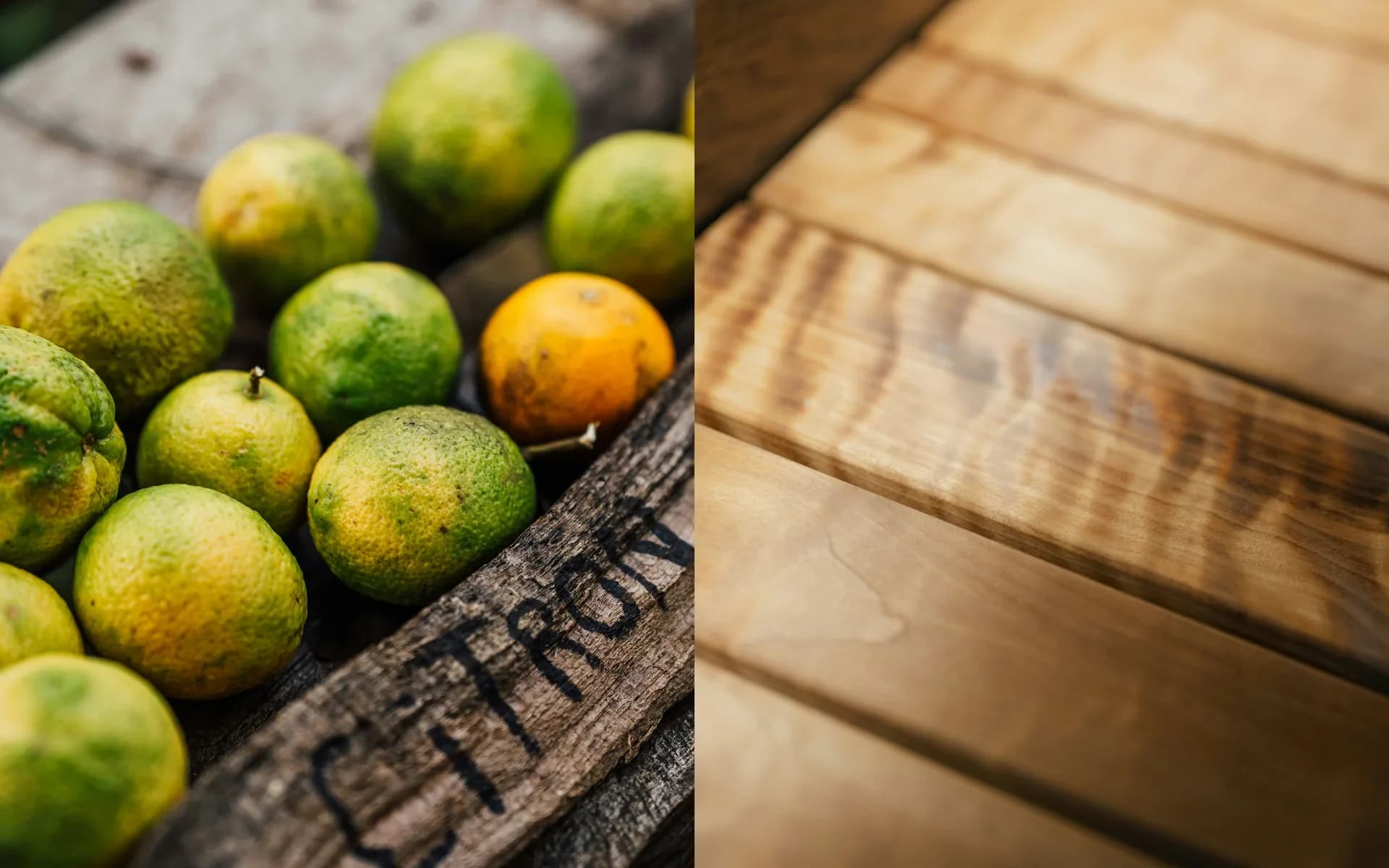
Most wardrobe regrets come from buying the wrong family for your taste, not the wrong brand. Fresh and woody are the two lanes beginners feel first. Get the lane right and shortlisting gets easier. Get it wrong and a $120 bottle sits in the drawer after two wears.
According to YouGov UK fragrance research, 88% of buyers prioritize scent character over brand name. Family is character at shelf speed. Circana US holiday data, cited in fragrance retail research, puts 57% of recent buyers' last bottle under $50. That makes family mistakes expensive in rotation slots, not just wallet pain.
What "fresh" means on skin
Fresh perfumes lead with citrus (bergamot, lemon, grapefruit), aquatic notes, green stems, and aromatic herbs like lavender and rosemary. They read clean within the first hour. Projection often stays close. Many office-safe bottles live here.
Typical wear windows run three to five hours on skin before the opening fades to a skin scent. That is normal, not a defect. Fresh bottles reward a travel atomizer in your bag on hot days.
Common fresh sub-lanes:
- Citrus colognes: bright, short, reapply-friendly. Good for gym-adjacent mornings and weekend errands.
- Aquatic: synthetic marine and melon notes. Polarizing in 2026, still useful if you want invisible clean.
- Green: cut grass, fig leaf, tomato vine. Reads natural without turning sweet.
- Aromatic fougères: lavender plus coumarin backbone. Classic "barbershop fresh" for many men.
Browse citrus accords or our best fresh perfumes list when you want vote-ranked starting points with methodology upfront.
What "woody" means on skin
Woody perfumes anchor on cedar, sandalwood, vetiver, patchouli, and oud. They often open quieter than fresh bottles, then gain depth in the mid phase. Drydowns can run six to eight hours on many wearers.
Woody does not always mean loud. Soft sandalwood and iris-wood blends sit close at a desk. Dense oud and amber-wood blends project across a room. Read the pyramid before you buy.
Common woody sub-lanes:
- Dry cedar and vetiver: pencil shavings, earthy, often unisex. Strong fall rotation bottles.
- Creamy sandalwood: milky, skin-close, good for evening without club sweetness.
- Oud-forward: resinous, spicy, long. Test before you wear to a meeting.
- Woody amber: warm, sweet-wood drydown. Popular in date-night lists.
Explore woody accords or best woody perfumes for men when you want curated picks with skip-if caveats.
Fresh vs woody at a glance
| Fresh lane | Woody lane | |
|---|---|---|
| Typical notes | Citrus, aquatic, green, aromatic | Cedar, sandalwood, vetiver, oud |
| Best seasons | Spring, summer, heated offices | Fall, winter, evening |
| Typical longevity | 3–5 hours, reapply-friendly | 6–8+ hours on many wearers |
| Projection | Often skin-close to moderate | Moderate to strong, varies by bottle |
| Risk profile | Can feel "too generic" if overused | Can overwhelm a cubicle if overdosed |
Use the table as a shopping compass, not a law. Your skin chemistry shifts any bottle.
How to build a two-lane wardrobe
You do not need twenty bottles on day one. Two slots cover most beginners:
- Daily fresh driver for office, commute, and hot weather. Think aromatic citrus or soft fougère.
- Evening woody for dinners, dates, and cold weekends. Think vetiver, sandalwood, or restrained oud.
Add a third slot later when you know which note you chase. Vanilla gourmand, rose floral, or spicy amber each plug into a rotation once fresh and woody are covered.
Our best perfumes for beginners list walks through starter logic with wear notes. Best summer perfumes and best winter perfumes split seasonal weighting when you outgrow two bottles.
When fresh wins
Pick fresh when the room is small, the weather is hot, or you share an elevator daily. Fresh also wins when you dislike sweet drydowns. Citrus and green openings rarely turn candy-like unless the base loads vanilla.
Fresh struggles when you need all-day presence without a respray. Accept the trade or move to a woody-aromatic hybrid with vetiver in the base.
When woody wins
Pick woody when you want one application to survive a long dinner or a cold commute. Woody also wins when fresh bottles smell like "everyone else" in your office. A distinct cedar or sandalwood profile reads personal without turning loud if you spray conservatively.
Woody struggles in high heat and tight cubicles. One spray on skin, skip fabric, and test on a Saturday before you wear oud to work.
Still torn between lanes?
Take the Scent DNA perfume quiz. It weights your occasion, performance, and note preferences against our catalog, then shows three explained picks with because-you-said reasons. Read how the perfume quiz works if you want the full methodology before you start.
If you already know you lean woody but want niche without overspending, read your first niche bottle under $150 before you checkout.
Common questions
What is the difference between fresh and woody perfumes?
Fresh perfumes lead with citrus, aquatic, green, or aromatic notes that read clean and light on skin. Woody perfumes anchor on cedar, sandalwood, vetiver, or oud and usually project longer. Fresh fits heat and close quarters. Woody fits evening, fall, and winter when you want more presence without turning sweet.
Which family is better for office wear?
Fresh and soft woody scents usually win at a desk. Citrus-aromatic and iris-woody bottles stay within arm's length after hour two. Loud oud or sweet gourmand wood often reads too strong in a cubicle. Check our best office perfumes for men list for skip-if lines on projection.
Can I wear woody perfume in summer?
You can, but pick lighter woods. Vetiver, soft cedar, and iso E super style aromatics survive heat better than dense oud or amber-heavy blends. One spray on pulse points beats two on fabric when the office runs hot. Save heavy oud for air-conditioned evenings.
Do fresh perfumes last as long as woody ones?
Usually no. Citrus and aquatic molecules evaporate faster. Many fresh EDTs fade in three to five hours on skin. Woody bases with musk or amber often hold six to eight hours. That is why fresh bottles reward reapplication and woody bottles need fewer sprays.
Should beginners start with fresh or woody?
Start with the family you already like in body wash, candles, or samples. If you reach for lemon soap and clean laundry, try fresh-aromatic first. If you like sandalwood incense or pencil shavings, try soft woody. Take the Scent DNA quiz if you are unsure. It weights your answers against both lanes.
Can one perfume be both fresh and woody?
Yes. Many designer and niche bottles blend citrus opening with a cedar or vetiver drydown. Bleu de Chanel and Terre d'Hermes are common examples. The label still helps you shop. Know which phase you are buying for, opening cheer or drydown depth.
Perfume Quiz
Not sure this earns a slot?
Three explained picks from your answers — about two minutes, reasoning included.
More guides
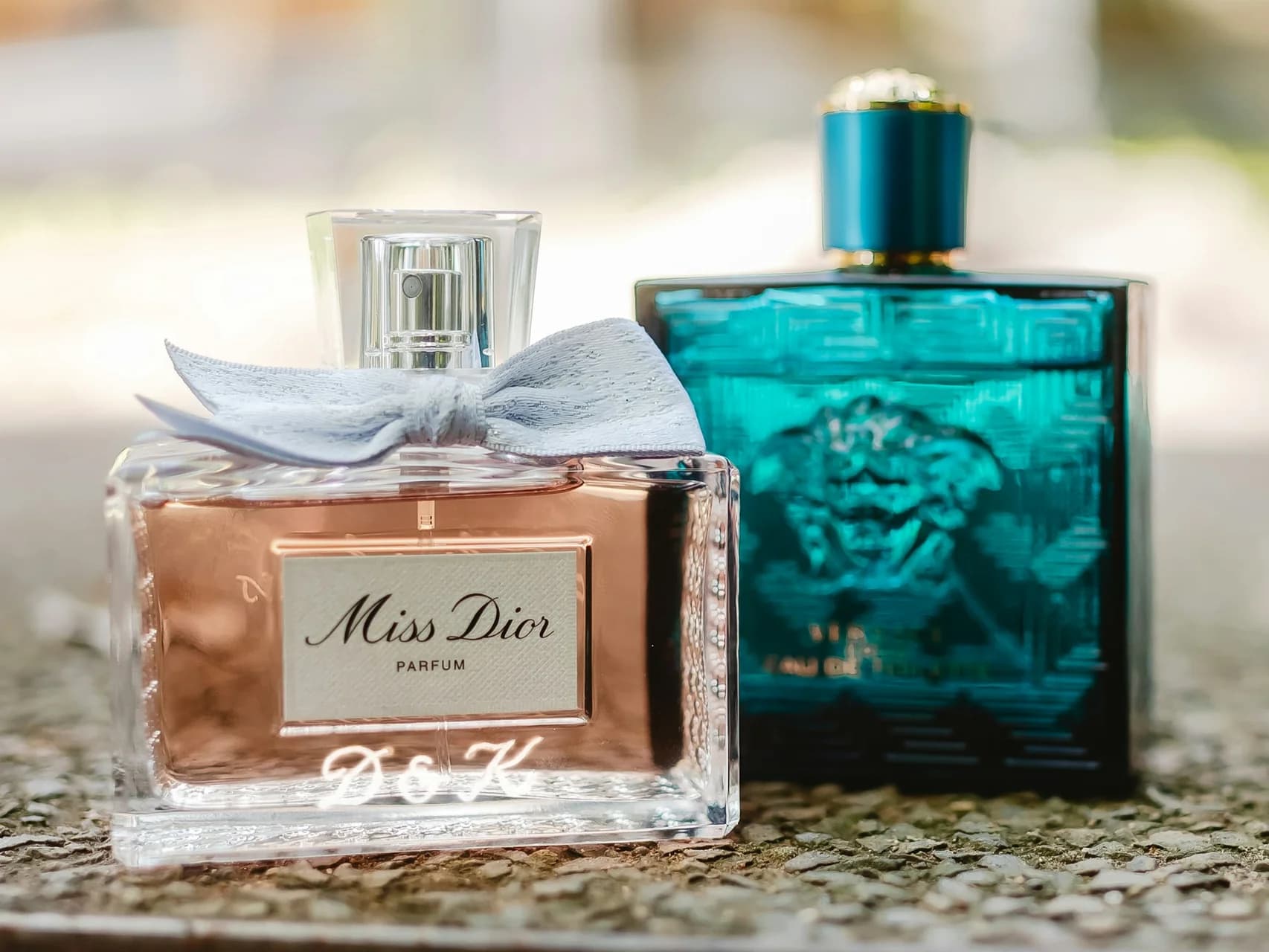
August 10, 2026
Do Perfume Dupes Last as Long?
Usually no by hour four. Dupes often match the opening, then fade faster on skin. Where longevity diverges, and when a dupe still earns a wardrobe slot.
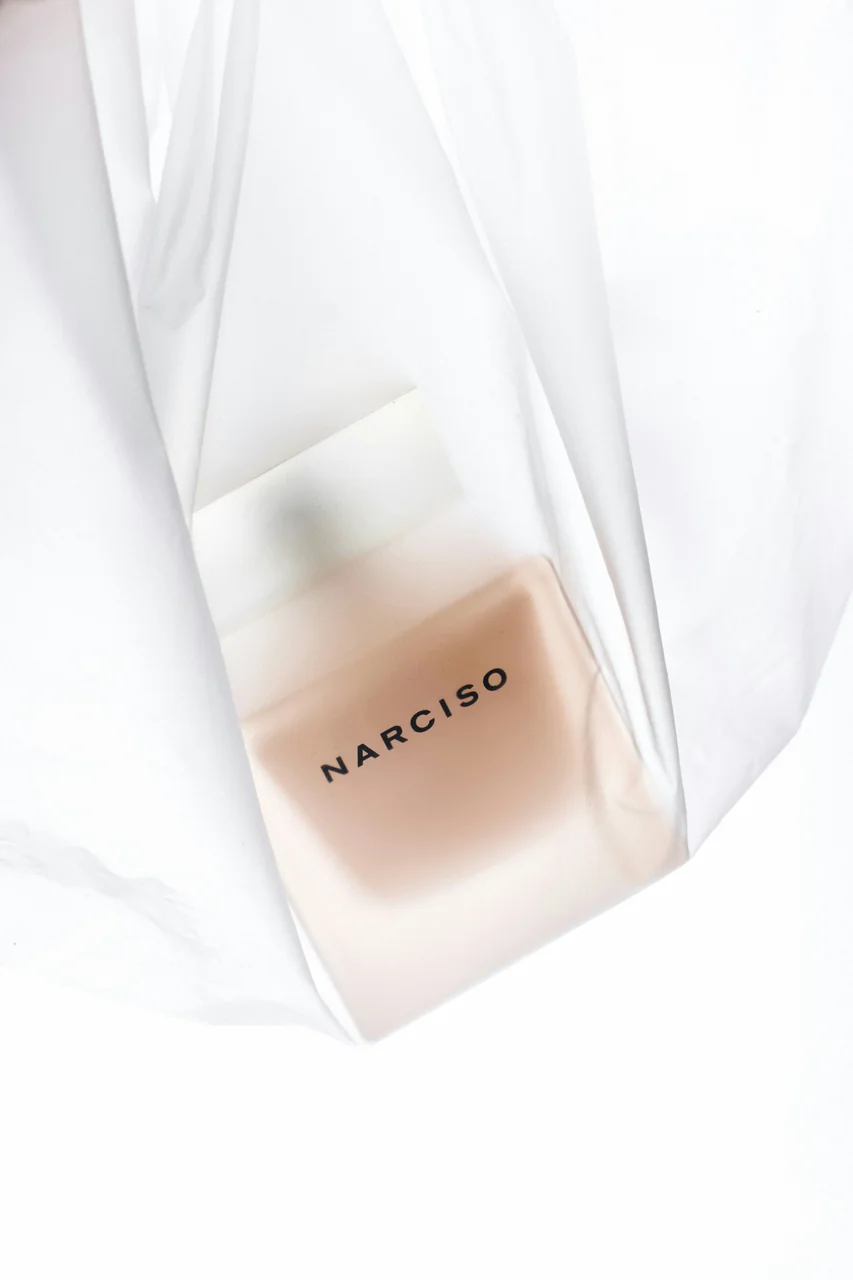
August 6, 2026
Your first niche bottle under $150
Your first niche bottle under $150 should match a designer family you already wear, pass an hour-four drydown check, and fit a real wardrobe slot. Niche costs more because concentration and note quality run higher, not because every bottle is safer.